
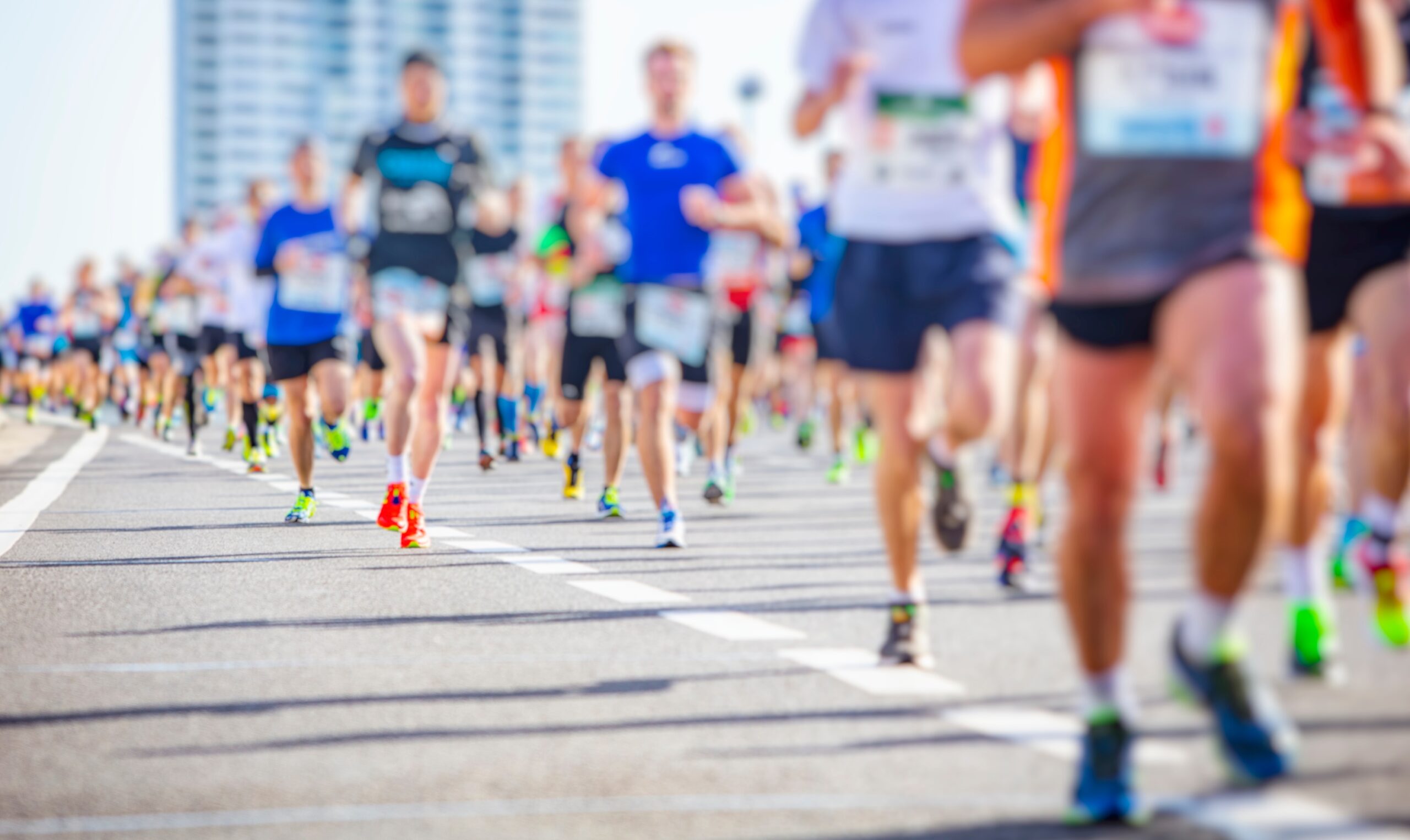
The Benefits of Sports Massage Therapy for Runners: Science, Recovery, and Performance
Running is one of the most efficient and accessible forms of exercise, but it’s also one of the most physically demanding. Repetitive impact, high training volumes, and variable terrain put unique stresses on the musculoskeletal system. Over time, these micro-stresses can lead to tightness, overuse injuries, and performance plateaus.
Sports massage therapy for runners can play a significant role in helping runners recover faster, move more efficiently, and reduce their risk of injury.
1. Improving Soft Tissue Quality and Mobility
Repetitive running can lead to muscular hypertonicity and fascial restrictions, particularly in the calves, hamstrings, quadriceps, and hip flexors. These restrictions and hypertonicity can shorten muscular fibers which can reduce range of motion, which in turn alters biomechanics. Clinical massage techniques such as myofascial release, deep transverse friction, and active release methods can help to restore soft tissue elasticity, improving leverage and neuromuscular coordination.
2. Enhancing Circulation and Tissue Recovery
While massage doesn’t “flush out lactic acid” (a persistent myth), it does enhance blood flow and lymphatic return, both of which are vital to recovery. Increased local circulation delivers oxygen and nutrients to fatigued muscles and assists in clearing metabolic byproducts associated with heavy training loads. A 2018 study in Frontiers in Physiology found that post-exercise massage can reduce delayed onset muscle soreness (DOMS) and decrease inflammation markers, suggesting a real physiological benefit for recovery when integrated appropriately.
3. Reducing Neuromuscular Tension and Promoting Efficiency
Tight or hypertonic muscles can inhibit reciprocal movement and alter running mechanics. For instance, shortened hip flexors can limit hip extension, forcing compensatory strain on the hamstrings and lower back. Regular massage can modulate the tone of overactive muscles through mechanoreceptor stimulation and the parasympathetic nervous system response, helping restore balance to movement patterns. The result: smoother gait, improved stride economy, and reduced risk of compensatory injuries.
4. Preventing Overuse Injuries
Many common running injuries—such as iliotibial band syndrome, plantar fasciitis, Achilles tendinopathy, and patellofemoral pain—begin as small imbalances or tissue restrictions that progress under repetitive stress. A trained clinical sports massage therapist can identify and address early signs of dysfunction such as asymmetrical tension, trigger points, or fascial stiffness before they evolve into more serious conditions. When combined with proper strength training and mobility work, massage therapy can support intense training and assist in injury prevention.
5. Supporting Mental Recovery and Performance Focus
Running requires not only physical endurance but also mental resilience. The relaxing and parasympathetic effects of massage help reduce stress hormones like cortisol and promote a calm, restorative state. This mental recovery can enhance focus and motivation, particularly during hard training blocks and can soothe nerves during taper.
Integrating Massage into a Runner’s Training Plan
The ideal frequency depends on the runner’s training intensity and goals:
– Maintenance Massage: Every 1–4 weeks during training to maintain optimal tissue health and recovery.
– Pre-Event Massage: 2–5 days before a race to promote circulation without causing soreness.
– Post-Event Massage: Within 24–72 hours after competition to aid recovery and reduce delayed onset muscle soreness.
Sports Massage for Runners in Richmond, VA
Massage therapy is not a luxury for runners—it’s a performance and recovery tool grounded in physiology and movement science. When applied clinically, it supports tissue repair, assists in injury prevention, and promotes optimal movement efficiency.
Whether you’re a recreational runner or a competitive athlete, integrating regular sports massage into your training plan can help you move better, feel better, and go the distance with fewer setbacks.